


Enhance Your Home's Value with Hardwood Flooring
When it comes to home improvement, few upgrades can match the impact of hardwood flooring. Not only does it enhance the aesthetic appeal of your home, but it also significantly increases its market value. In this blog post, we will explore the benefits of hardwood flooring, the different types available, installation tips, and maintenance advice. By the end, you will understand why investing in hardwood flooring is a smart choice for any homeowner.

The Benefits of Hardwood Flooring
Aesthetic Appeal
Hardwood flooring adds a timeless elegance to any room. Its natural beauty and warmth create a welcoming atmosphere that can complement various interior design styles. Whether your home is traditional, contemporary, or rustic, hardwood floors can enhance its overall look.
Increased Home Value
One of the most compelling reasons to install hardwood flooring is its ability to increase your home's value. According to a study by the National Association of Realtors, homes with hardwood floors sell for an average of 2.5% more than those without. This increase can be significant, especially in competitive real estate markets.
Durability and Longevity
Hardwood floors are known for their durability. With proper care, they can last for decades, making them a long-term investment. Unlike carpets, which may need to be replaced every few years, hardwood floors can be refinished multiple times, restoring their original beauty.
Easy Maintenance
Maintaining hardwood flooring is relatively simple. Regular sweeping and occasional mopping are usually sufficient to keep them looking great. Additionally, hardwood floors do not harbor allergens like carpets, making them a healthier choice for your home.
Versatility
Hardwood flooring comes in various species, colors, and finishes, allowing you to choose a style that fits your personal taste. From rich mahogany to light oak, the options are endless. This versatility makes it easy to find a hardwood floor that complements your existing decor.
Types of Hardwood Flooring
Solid Hardwood
Solid hardwood flooring is made from a single piece of wood, typically ¾ inch thick. It can be sanded and refinished multiple times, making it a durable choice. However, solid hardwood is sensitive to moisture and should not be installed in areas prone to humidity, such as basements.
Engineered Hardwood
Engineered hardwood consists of multiple layers of wood veneer glued together. This construction makes it more stable than solid hardwood, allowing it to be installed in various environments, including basements. Engineered hardwood can also be sanded and refinished, though not as many times as solid hardwood.
Prefinished vs. Unfinished
Hardwood flooring can be purchased prefinished or unfinished. Prefinished hardwood comes with a factory-applied finish, saving time during installation. Unfinished hardwood allows for customization, as you can choose the stain and finish that best suits your home.
Installation Tips
Hiring a Professional vs. DIY
While some homeowners may choose to install hardwood flooring themselves, hiring a professional can ensure a high-quality finish. Professionals have the experience and tools necessary to handle the installation process efficiently. If you decide to go the DIY route, be sure to follow manufacturer guidelines and take your time to achieve the best results.
Acclimation
Before installation, hardwood flooring should acclimate to the room's temperature and humidity for at least 48 hours. This step helps prevent warping and ensures a proper fit.
Subfloor Preparation
A clean, dry, and level subfloor is essential for a successful hardwood installation. Any imperfections in the subfloor can lead to issues down the line, such as squeaking or uneven surfaces.
Expansion Gaps
Leave expansion gaps around the perimeter of the room to allow for natural expansion and contraction of the wood. This gap should be about ½ inch wide and can be covered with baseboards or quarter-round molding.
Maintenance of Hardwood Flooring
Regular Cleaning
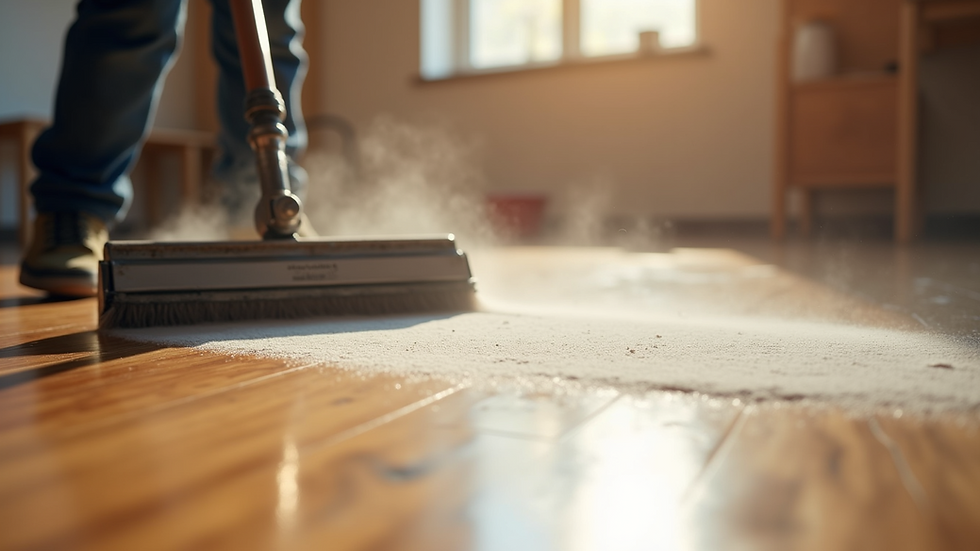
To keep your hardwood floors looking their best, sweep or vacuum regularly to remove dirt and debris. Use a soft-bristle broom or a vacuum with a hardwood floor attachment to avoid scratching the surface.
Mopping
Occasional mopping with a damp mop and a hardwood floor cleaner can help maintain the shine. Avoid using excessive water, as it can damage the wood.
Refinishing
Over time, hardwood floors may show signs of wear. Refinishing can restore their original beauty. Depending on the traffic in your home, you may need to refinish your floors every 5 to 10 years.
Protecting Your Floors
Use area rugs in high-traffic areas and place felt pads under furniture legs to prevent scratches. Additionally, avoid wearing high heels or shoes with hard soles on hardwood floors.
Conclusion
Investing in hardwood flooring is a decision that pays off in both aesthetic appeal and increased home value. With its durability, easy maintenance, and versatility, hardwood flooring is an excellent choice for any homeowner looking to enhance their living space. Whether you opt for solid or engineered hardwood, proper installation and maintenance will ensure your floors remain beautiful for years to come.
As you consider upgrading your home, think about the lasting benefits that hardwood flooring can provide. Not only will it elevate your home's appearance, but it will also make it more attractive to potential buyers in the future. Take the next step in enhancing your home’s value by exploring the various hardwood flooring options available today.

Comments